Your Guide to the TOP 10 Innovative Pencil Cases for 2026 Prep
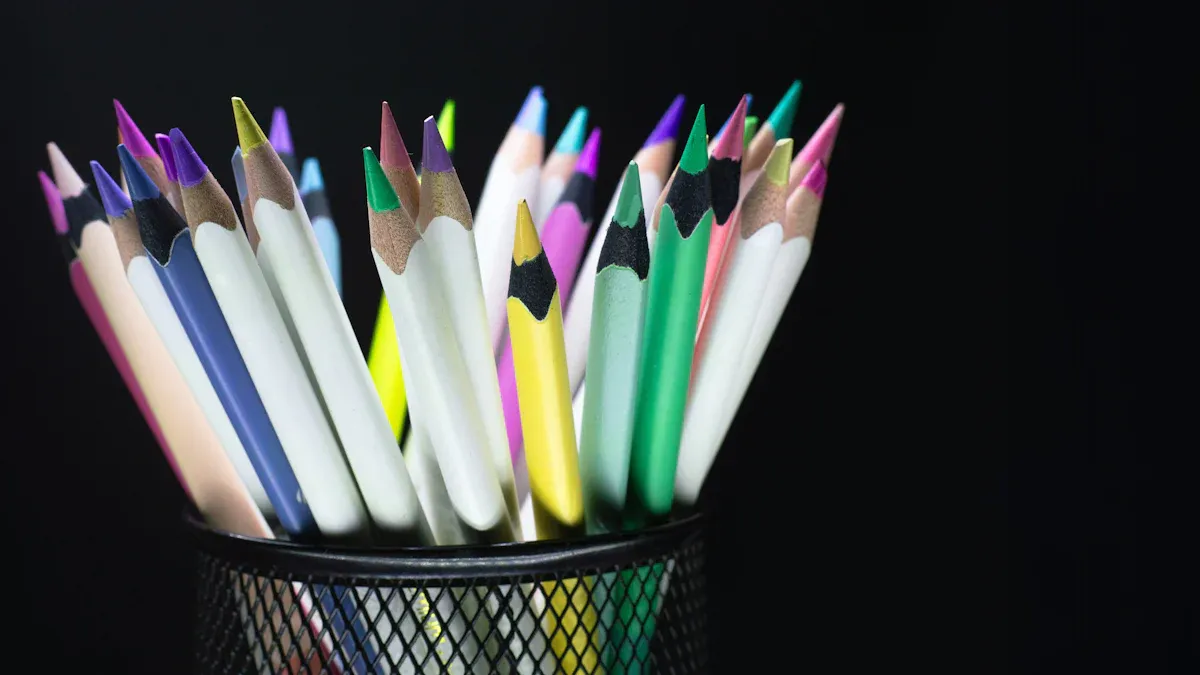
Innovative Pencil Case designs will transform student organization and efficiency for the 2026 school year. The global pencil cases market projects significant growth, reaching USD 1695.8 Million by 2032. These cases offer cutting-edge features and practical applications. They enhance learning environments and daily school routines. Eighty-six percent of students reported disorganization led to wasted study time, impacting grades.
Key Takeaways
- New pencil cases will help students get organized and work better for the 2026 school year.
- These new cases have cool features and help students learn and do schoolwork every day.
- Many students waste study time because they are not organized, which can hurt their grades.
The Evolution of the Pencil Case: Beyond Basic Storage
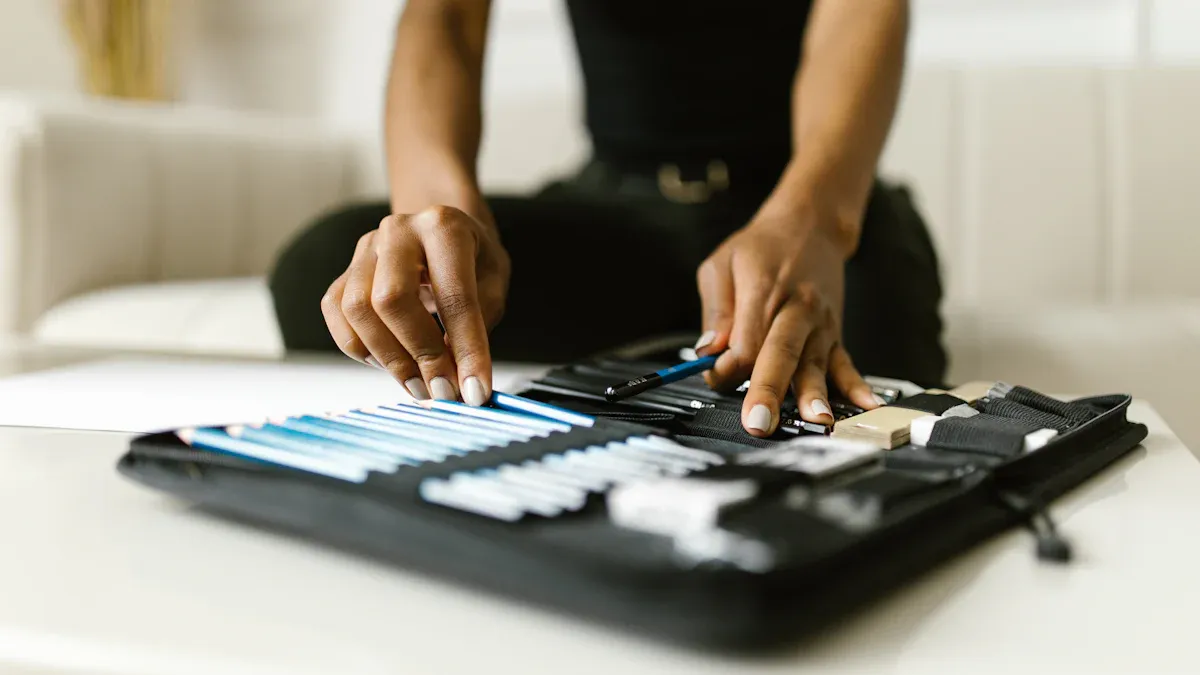
Why Innovation in Pencil Cases Matters for 2026 Students
Innovation in student tools directly impacts their learning environment. For 2026 students, a well-designed Pencil Case goes beyond simple storage. It becomes a strategic asset. Dr. Elena Torres, a cognitive education researcher at the University of Michigan, states, "Students subconsciously associate their tools with the tasks they perform. A creatively designed pencil case can prime imaginative thinking, while a technically styled one activates logical processing." This suggests the design of a pencil case can influence a student’s mental state. A well-organized case minimizes the ‘friction’ of finding tools, reducing stress and allowing students to focus more effectively on their academic tasks.
Key Trends Shaping Future Pencil Case Designs
The evolution of the pencil case has a rich history. Early innovations, like Durant’s 1846 Pencil Case Patent (No. 4,602) and Bagley’s 1846 Pencil Case Patent (No. 4,840), focused on efficient lead storage mechanisms. Today, material science and technology drive new trends. Conscious consumption leads to increased demand for eco-friendly stationery, utilizing recycled materials or sustainable alternatives. Smart features are also emerging, including built-in charging ports for devices, Bluetooth tracking, and LED indicators. These technological integrations are poised to become standard, seamlessly integrating with educational apps and platforms.
The Impact of Advanced Pencil Cases on Learning and Organization
Advanced pencil cases significantly enhance learning and organization. They reduce the time students spend searching for supplies, allowing more time for actual learning. The concept of context-dependent cognition suggests that subtle design elements, like color schemes or symbolic imagery, can influence mental states. A Van Gogh print might stimulate associative thinking for English, while a quadratic formula could activate recall pathways for calculus. This priming of specific mental states indirectly enhances focus. Over time, these small efficiencies accumulate, leading to better focus and improved retention of information. Students can even use a dual-case strategy: a compact, math-style case for lectures and a larger, art-inspired case for project work, reinforcing subject-specific mindsets.
Unveiling the TOP 10 Innovative Pencil Cases for 2026
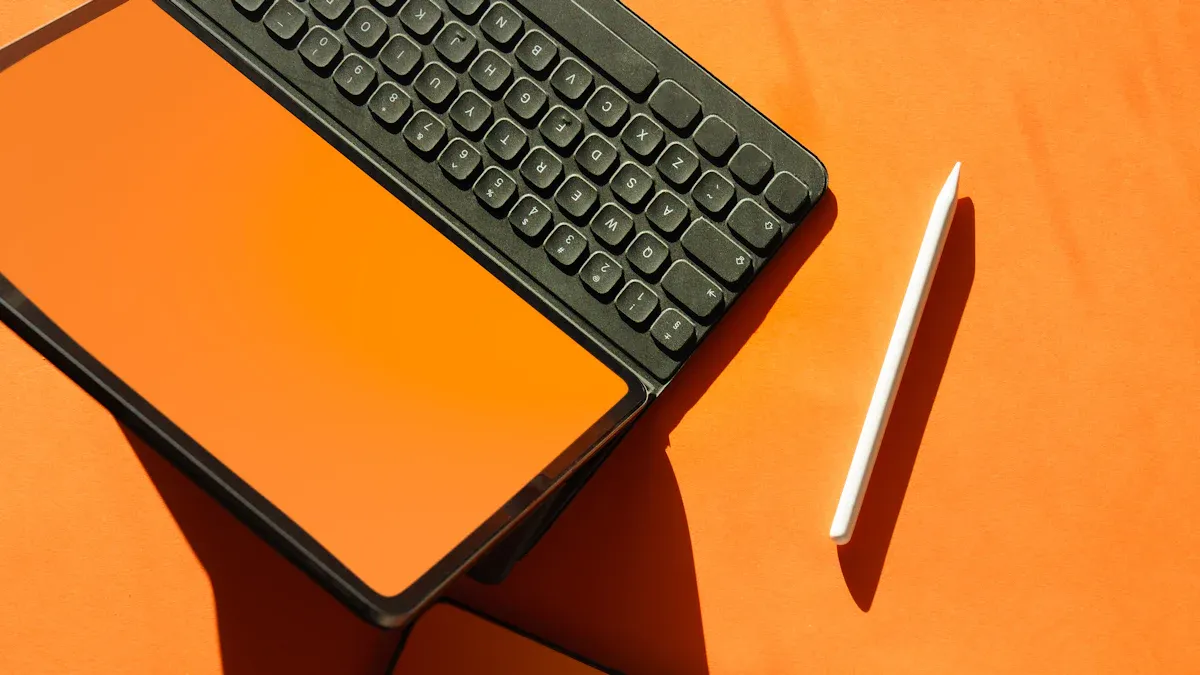
The Smart Organizer Pro Pencil Case: Integrated Tech for Ultimate Efficiency
The Smart Organizer Pro represents a new era for stationery storage. Its interior design prioritizes organization and efficiency. Modular compartments and adjustable dividers allow users to customize space for various stationery items. Some high-end models even feature smart partitioning systems with embedded sensors for automatic item detection. This innovative design includes foldable and retractable features, such as telescoping trays and pop-up sections, offering compact storage with expanded functionality. Built-in accessories like automatic pencil sharpeners, magnetic closures, and LED lights enhance usability. An ergonomic layout places frequently used items within easy reach, protecting delicate instruments with anti-slip linings and soft padding. The exterior design combines aesthetics with durability. Visual appeal ranges from vibrant patterns to sleek, matte textures. Constructed from durable materials like ABS plastic or reinforced polycarbonate, it offers impact resistance. Smooth-operating hinges and secure latches ensure structural integrity. Ergonomic shapes with rounded edges and comfortable grips enhance portability.
Eco-Friendly Recycled Material Pencil Case: Sustainable Solutions for School
Sustainability drives the design of the Eco-Friendly Recycled Material Pencil Case. This innovative solution significantly reduces waste and lowers carbon emissions. Its production requires less energy and fewer resources compared to traditional materials. These cases are non-toxic, contributing to improved air quality and better personal health. Manufacturers craft these cases from recycled materials, often described as "made from waste and full of character." Specific materials include certified organic cotton canvas, which is heavy-duty, soft, biodegradable, and durable. Hemp offers a resilient and naturally antimicrobial option. Cork and natural blends provide a minimalist, water-resistant choice. This commitment to eco-friendly materials makes the Pencil Case a responsible choice for environmentally conscious students.
Modular & Customizable Pencil Case System: Adaptable Storage for Every Need
The Modular & Customizable Pencil Case System offers unparalleled adaptability. This system builds around a collection of modular pouches designed for versatility. The SPX-C Pouch holds most smartphones and includes an internal divider for a power bank, enabling on-the-go charging. The AP-C Pouch functions as a classic pen and pencil case, accommodating full-sized writing implements or even art supplies. A versatile SP1-C Pouch stores various items, from trail essentials to personal effects. The AO2-C Organizer features a true box construction with a ‘drawbridge’ style clamshell opening, ideal for organizing writing and admin tools. A rugged exterior, made from extremely durable, 100% waterproof X-Pac VX25 fabric, balances toughness, flexibility, and low weight. This fabric choice allows for matching with other carry items. A clear PX05 liner fabric provides visual contrast inside. YKK AquaGuard zippers on all exterior openings ensure rain protection. Users can personalize their kit with customizable pullers, choosing from various colors.
Antimicrobial Surface Pencil Case: Prioritizing Hygiene in the Classroom
The Antimicrobial Surface Pencil Case addresses hygiene concerns in shared learning environments. It utilizes Nano Platinum Technology. This technology employs ‘nano cage’ structures that generate reactive oxygen species (ROS) to effectively neutralize microbes. A key advantage is its ability to preserve the material’s original properties while providing long-lasting protection. This technology offers broad-spectrum protection, eliminating bacteria, mold, and viruses with unmatched efficacy. It maintains over 99% antimicrobial effectiveness for up to three years. A case study involving nano platinum-treated pencil cases demonstrated a 98% reduction in bacterial contamination. This feature provides peace of mind for students and parents alike.
Transparent Touch-Screen Compatible Pencil Case: Seamless Device Interaction
The Transparent Touch-Screen Compatible Pencil Case integrates technology directly into daily routines. This innovative design features a clear, touch-sensitive panel on one side. Students can view and interact with their smartphones or small tablets without removing them from the case. This allows for quick checks of notifications, access to digital notes, or even controlling music during study breaks. The transparent material also protects devices from spills and scratches while keeping them visible and accessible. It offers a practical solution for students who rely on digital tools alongside traditional stationery.
Ergonomic Stand-Up Pencil Case: Optimizing Desk Space and Accessibility
The Ergonomic Stand-Up Pencil Case revolutionizes desk organization. Dr. Lena Torres, a Cognitive Ergonomics Researcher at Umeå University, states, "Open-access organization reduces cognitive load during focused tasks. When you don’t have to search, your brain stays in flow." This pencil case applies ergonomic principles by keeping items visible and within fingertip reach. It eliminates the need for unzipping or tipping contents out, common with traditional cases. This open-access design significantly reduces friction and improves retrieval speed. It provides designated slots, minimizing distractions and supporting a continuous workflow, thereby reducing cognitive load. The design adheres to ergonomic organization principles, placing frequently used items in the primary zone (immediate reach). This reduces awkward movements and promotes efficient workflow, mitigating physical strains like reaching across the body or twisting.
RFID-Blocking Security Pencil Case: Protecting Valuables on the Go
The RFID-Blocking Security Pencil Case offers enhanced protection for personal items. This specialized case incorporates RFID-blocking technology into its lining. It shields credit cards, student IDs, and other sensitive items from unauthorized scanning and digital theft. Beyond RFID protection, the case often features secure, lockable zippers or hidden compartments. These features provide an extra layer of security for small valuables like USB drives, cash, or keys. This Pencil Case ensures students can carry their essentials with confidence, knowing their information and belongings remain safe.
Expandable Capacity Pencil Case: Flexible Storage for Growing Supplies
The Expandable Capacity Pencil Case adapts to changing storage needs. This clever design can ‘expand’ and ‘collapse’ to adjust its storage volume. It is made of durable and ductile rubber material, allowing it to stretch and expand repeatedly. Users can start with a small size and expand it as needed to create larger storage boxes. This flexibility accommodates a student’s evolving collection of pens, markers, and other supplies throughout the school year. It eliminates the need for multiple cases, offering a single, versatile solution.
Personalized LED Display Pencil Case: Expressing Style with Technology
The Personalized LED Display Pencil Case allows students to express their individuality. This innovative case features a customizable LED screen on its exterior. Users can program the display to show their name, favorite quotes, animated patterns, or even dynamic schedules. A companion app typically controls the LED display, offering a wide range of fonts, colors, and animations. This feature transforms a simple utility item into a personal statement, adding a fun and interactive element to school supplies. It combines practicality with cutting-edge personalization.
Water-Resistant & Durable Adventure Pencil Case: Ready for Any Environment
The Water-Resistant & Durable Adventure Pencil Case is built for resilience. EVA (Ethylene Vinyl Acetate) is a primary material chosen for its robust and resilient nature. It offers superior protection against impacts, drops, and daily wear and tear. Despite its strength, EVA is incredibly lightweight, making the pencil case portable and easy to carry. EVA material provides excellent water-resistant properties, protecting contents from spills, rain, and moisture. This is crucial for various weather conditions. EVA is also a non-toxic, BPA-free, and recyclable material, making it an eco-friendly choice. Its cost-effectiveness makes high-quality protection accessible to many students.
Choosing Your Ideal Innovative Pencil Case for 2026
Matching Pencil Case Features to Student Needs and Subjects
Students select a Pencil Case based on their specific academic demands. For art students, a modular system with expandable compartments for brushes and larger tools proves beneficial. STEM students might prefer a smart organizer with integrated tech for calculators and charging cables. Those focused on humanities could prioritize an eco-friendly option, reflecting their values. Matching features to subjects ensures optimal utility and enhances the learning experience.
Balancing Budget and Advanced Functionality in a Pencil Case
Balancing cost with advanced features requires careful consideration. High-tech options, like smart organizers or LED display cases, often come with a higher price tag. Students on a budget can still find innovative solutions. Eco-friendly cases or ergonomic stand-up designs offer significant benefits without breaking the bank. Prioritize features that directly address a student’s most pressing organizational or functional needs.
Assessing the Durability and Longevity of Innovative Pencil Cases
Durability is crucial for any school supply. Students should examine common failure points when choosing a case.
- Single-thread stitching tends to unravel after repeated opening and closing.
- Zippers that snag or are made of cheap, flimsy sliders break within weeks.
- Cases with excessive embellishments (glued-on patches, sequins, decorative stitching) are prone to degradation, peeling, snagging, or creating weak spots.
Consider features that enhance longevity:
| Feature | Why It Matters | Durable Option |
|---|---|---|
| Internal compartments | Prevents pencils from rolling and scratching each other | Fabric dividers with reinforced edges |
| Zipper guard | Protects the zipper from catching on fabric or breaking | Webbing or folded fabric flap |
| Flat base or structured walls | Resists deformation when placed upright or stacked | Stiffened lining or molded plastic insert |
| Carry handle or wrist strap | Reduces stress on main body when lifting | Reinforced webbing with bar-tack stitching |
| Water-resistant coating | Protects contents from spills or rain exposure | PU coating or DWR finish |
Manufacturers use several durable materials:
- Nylon (especially ballistic nylon): High tensile strength, resistance to abrasions, lightweight, extremely tough.
- Polyester: Decent durability and water resistance, especially tightly woven variants.
- Leather (genuine or full-grain): Naturally robust, ages beautifully, but requires conditioning and moisture protection.
- Tarpaulin (tarp): Waterproof, puncture-resistant, easy to clean, ideal for spills.
- Hard-shell plastics (ABS or polycarbonate): Maximum protection against crushing, nearly indestructible under normal conditions.
Proper maintenance also extends a case’s life:
- Regular Cleaning: Empty and wipe down fabric pouches with a damp cloth; spot-clean canvas. Air dry completely.
- Zipper Care: Lubricate stuck zippers with graphite or wax; keep tracks clean.
- Avoid Overstuffing: Prevents stress on seams and zippers.
- Proper Storage: Store inside a backpack to avoid snagging or falling out.
The Future of School Supplies: What’s Next for the Pencil Case?
Emerging Technologies and Their Potential in Pencil Case Design
Technology continues to reshape educational tools. Developers explore integrating Artificial Intelligence (AI) and the Internet of Things (IoT) into school supplies. These advancements aim to enhance learning and organization. For instance, smart ‘hearable’ devices use AI to personalize language lessons. Augmented Reality (AR) glasses offer translation capabilities for non-native speakers. Interactive whiteboards allow students to modify materials from their desks. Smart toys, equipped with AI systems, cameras, and microphones, teach skills like computer programming and robotics through play. IoT devices with AI algorithms optimize resource consumption in school premises. Smart cameras and ID cards enhance school security. These technologies could lead to smarter, more interactive stationery.
The Role of Sustainability in Future Pencil Case Manufacturing
Sustainability is a critical factor in future manufacturing. Consumers increasingly demand eco-friendly products. Manufacturers focus on reducing environmental impact. Certifications like Green Seal ensure products meet strict environmental standards. Green Seal, a U.S.-based organization, certifies products globally. It evaluates items against requirements for resource use, environmental impact, and consumer health. This certification applies to paper products relevant to school supplies. Future pencil cases will likely feature more recycled, biodegradable, and responsibly sourced materials. This commitment supports a healthier planet.
Beifa Group’s Contribution to Innovative Pencil Case Solutions
Beifa Group actively contributes to innovation in school supplies. The company consistently develops new solutions for students. For example, Beifa Group introduced water-resistant pencil rolls in 2024. These innovative rolls quickly gained popularity. Nearly 25% of their creative segment customers chose these new products. Beifa Group’s commitment to research and development drives practical advancements. They continue to explore new materials and designs. This focus ensures students have access to high-quality, functional, and innovative stationery.
These innovative Pencil Case designs offer transformative potential for 2026 students. They provide unparalleled organization, robust protection, and seamless technological integration. Students should thoughtfully select a case that meets their practical needs. This choice will also elevate their entire educational experience.
FAQ
What are the main benefits of innovative pencil cases?
Innovative pencil cases offer enhanced organization, improved efficiency, and better protection for school supplies. They integrate technology and sustainable materials, elevating the learning experience for students.
How do eco-friendly pencil cases contribute to sustainability?
Eco-friendly cases reduce waste and carbon emissions. Manufacturers use recycled, biodegradable, or responsibly sourced materials. This supports a healthier planet and promotes conscious consumption among students.
Can smart pencil cases really improve academic performance?
Smart pencil cases reduce time spent searching for tools. This allows students to focus more on learning. Features like integrated tech and ergonomic design enhance concentration and streamline workflow.
See Also
Best Air Fryer Substitutes Beyond BrandsMart: A 2024 Guide
Innovative Air Fryer Sweet Potato Cubes: Ten Delicious Recipe Ideas
Unlock Perfect Air Fryer Pancakes: Essential Tips And Tricks
Effortlessly Cook Air Fryer Sausage Patties: Simple Recipes And Advice
Achieve Crispy Perfection: Your Ultimate Air Fryer Cooking Guide